Autism and Neurodiversity
Our support for the autism community goes back more than thirty years. We are immensly proud to have published so many incredible authors; from autistic individuals using their voices to help, support and advocate, to professionals imparting expertise about autism and ASC, as well as parents sharing their experiences and advice – all have created positive change in the autism community, and we are thrilled to share their works with you!
Our Most Loved Autism & Neurodiversity Books



Pathological Demand Avoidance

Autism in adults, women and girls


Neurodiversity in the Workplace
What are the benefits of neurodiversity in the workplace?
With estimates that between 10 and 20 per cent of the population considered neurodivergent in some way, employers cannot claim neurodiversity does not exist. Yet many neurodivergent individuals report negative workplace experiences — many are unemployed or under-employed, and some have faced direct or indirect discrimination.
A key barrier is employer confidence: many lack knowledge about neurological conditions and are unsure what adjustments to make. One report found that 60 per cent of employers worry about getting support wrong and don't know where to find guidance (National Autistic Society 2016).
So why should managers care about creating more inclusive environments?
Meeting legal requirements
Neurodevelopmental conditions are protected as hidden disabilities under the Equality Act 2010. Failure to meet these requirements can result in legal action.
The business case
Utilising the full population creates a wider labour pool, more opportunity for innovation, a broader customer base, and a more positive company image.
More effective teams
As in sport, the most effective teams are built on diverse talents, not uniformity. A growing number of organisations recognise the skills neurodivergent individuals bring.
Creativity and innovation
Neurodivergent people think differently by definition — a neurodiverse team is more likely to approach problems from multiple perspectives. Major organisations including Amazon, Microsoft, Ford, Google, SAP and DXC Technology are already running neurodiversity-at-work programmes (CIPD 2018).
Addressing skills shortages
Many businesses face recruitment gaps, while neurodivergent individuals with the needed skills remain unemployed — often not because of the work itself but due to lack of workplace support. Adjustments are typically low-cost and straightforward to implement.
Customer engagement and trust
Customers are themselves a neurodiverse group. A business known to embrace difference will appeal to a wider audience than one that does not.
Improved wellbeing
Inclusive workplaces tend to have happier, healthier employees. When people feel comfortable, they are more productive, more satisfied, and more likely to stay — benefiting everyone.
The social justice case
Managers have a moral obligation to treat all employees fairly. In this view, fair treatment is right in itself — not simply because of the benefits it produces (Beardwell and Thompson 2014).
Extract from The Neurodiverse Workplace

Sensory Processing


Making Your Practice Neurodivergent-affirming

Everyday Parenting with Neurodivergent Children


Learning, Education and Neurodiversity


ADHD and AuDHD

Dyslexia, Dyspraxia and Dyscalculia


Our full range
Dive deeper and explore our full range of books across all neurodiversity
-
A Different Way to Learn
Regular price £16.99Regular priceUnit price per -
I'm Not Upside Down, I'm Downside Up
Regular price £10.99Regular priceUnit price per -
The Panda on PDA
Regular price £13.99Regular priceUnit price per -
The Autistic Survival Guide to Therapy
Regular price £16.99Regular priceUnit price per -
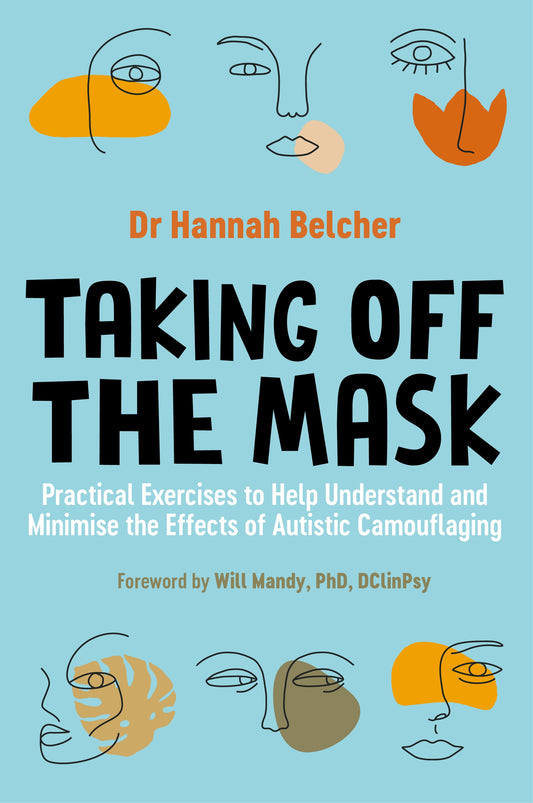
Taking Off the Mask
Regular price £16.99Regular priceUnit price per -
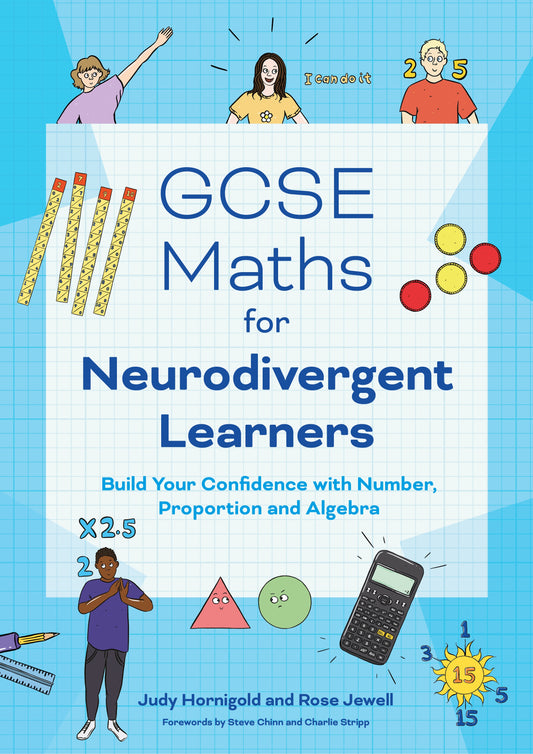
GCSE Maths for Neurodivergent Learners
Regular price £25.99Regular priceUnit price per -
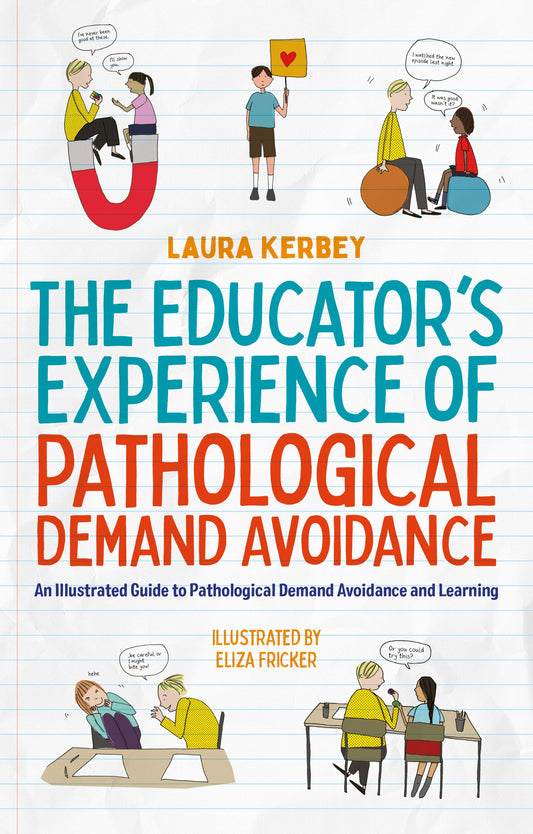
The Educator’s Experience of Pathological Demand Avoidance
Regular price £15.99Regular priceUnit price per -
The Memory and Processing Guide for Neurodiverse Learners
Regular price £20.99Regular priceUnit price per -
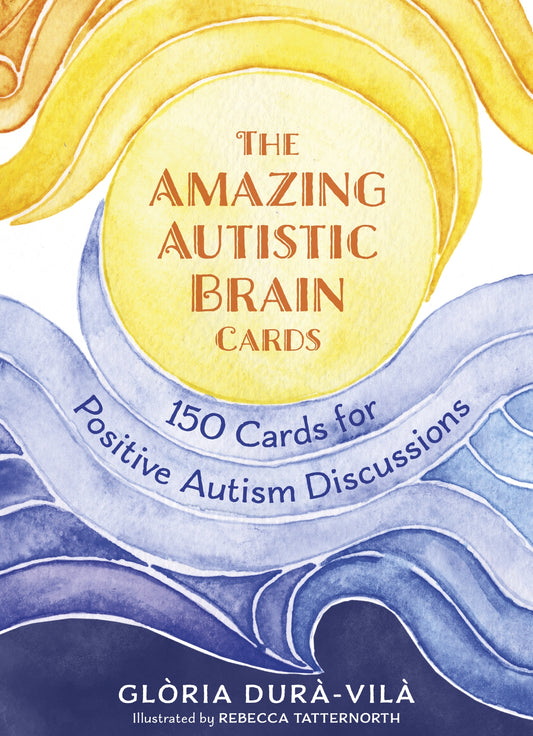
The Amazing Autistic Brain Cards
Regular price £20.99Regular priceUnit price per -
Under the Radar
Regular price From £14.99Regular priceUnit price per